How Regularly Should Pest Control Be Done in Scarborough?
If you’re deciding on pest control Scarborough service intervals, the short answer is: it varies on the infestation, the property, and the time of year. In Scarborough, Ontario, pest pressure is shaped by waterfront weather, dense neighbourhoods, and a mix of housing types across the Toronto east end. A detached house in Guildwood may need a different schedule than a condo in Agincourt or a townhouse in Malvern.
The right schedule is not about treating more often just for the sake of it. It’s about matching the frequency of visits to the level of risk, the season, and whether you’re trying to prevent problems or respond to an active infestation. For many homes, a regular recurring pest control service is the best way to stay one step ahead of pests before they spread.
What affects pest control frequency in Scarborough?
Various local factors influence how often pest control should happen. The biggest one is the Scarborough climate. Because the area sits close to Lake Ontario, humidity can stay high in warmer months, which lets many pests survive and reproduce. Moisture also supports nesting in basements, https://mississauga-onou029.timeforchangecounselling.com/a-overview-to-festivals-in-markham-on-and-heritage-observances wall voids, storage areas, and landscaping near buildings.
Seasonal pest pressure is another major factor. In spring and summer, you’re more likely to see ants, wasps, and spiders moving around decks, soffits, and yard edges. In fall, rodents such as mice and rats start moving indoors as temperatures drop. Winter may seem quieter, but it’s often when pests hidden inside walls or attics become easier to monitor.
Property type also plays a role. Detached homes usually have more access points, basements, and exterior openings that need attention. Condos and other multi-unit properties can have pest transfer between units through shared walls, plumbing, utility lines, and garbage areas. Townhomes often sit somewhere in between, with shared structures but fewer common spaces than larger buildings.
The final factor is infestation level. A one-time ant trail in the kitchen is very different from a recurring mouse problem or bed bug activity in a bedroom. Mild issues may only need an inspection and targeted treatment, while repeated or widespread activity usually requires a fuller treatment plan with follow-up visits.
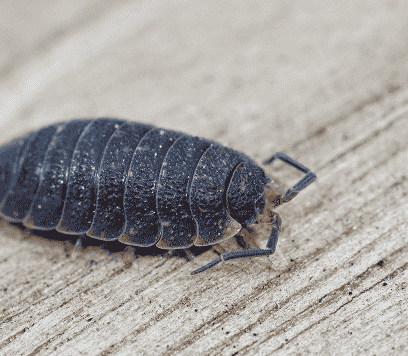
A good pest professional will typically use integrated pest management, which combines inspection, monitoring, sanitation, exclusion, and targeted treatment. That approach helps reduce chemicals while improving long-term control.
How frequently should property owners arrange pest control?
For a lot of homeowners, the ideal answer is quarterly pest control. That means visits roughly every three months, which gives you regular monitoring through changing seasons. Quarterly visits are especially effective if you want preventive pest management rather than holding off until pests are already visible.
An annual pest inspection is the minimum for homes with limited pest pressure and no recent history of issues. This gives a professional a chance to inspect common entry points, moisture issues, attic spaces, and signs of nesting. However, one inspection a year is often not enough if your home has had recurring pest activity or is in a high-risk area.
A recurring pest control service is worth thinking about if:
- you live near parks, ravines, or busy greenbelts in Scarborough
- you’ve had problems with ants, mice, or cockroaches before
- your home has a basement, crawlspace, or older utility penetrations
- you want ongoing protection for a residential or even commercial property
For numerous households, the best plan is a combination of an annual inspection plus quarterly or seasonal maintenance visits. That structure supports ongoing monitoring and allows for quick follow-up if the pest situation changes.
If you’ve just moved into a home in Scarborough, starting with an inspection is smart. It lets you assess hidden risks before they become recurring problems. Then your technician can recommend a schedule based on the property’s condition and surroundings.
How often do common Scarborough pests require treatment?
Various pests require different timing. That’s why pest control in Scarborough should by no means be one-size-fits-all. This is how common pests usually compare.
Ants
Ants often require treatment at the initial sign of activity, especially in spring and early summer. If you’re seeing trails in the kitchen, along foundation walls, or around patios, the issue may be connected to outdoor nesting sites and food access indoors. One treatment may solve a small problem, but recurring sightings often mean the colony is still nearby.
For homes with repeat ant pressure, a seasonal service schedule is usually more effective than one-off spraying. That allows for entry point identification, sanitation recommendations, and exterior exclusion work.
Cockroaches
Cockroaches usually need faster and more frequent attention than many other pests. If there is an infestation, treatment often starts with an inspection and then continues with follow-up visits until activity drops. Because roaches can spread quickly in kitchens, bathrooms, and shared building systems, the schedule should be based on progress, not guesswork.
In multi-unit residential or commercial settings, recurring monitoring is often essential. Cockroach control works best when sanitation, exclusion, and targeted applications are done together.
Mice and rats
Rodents like mice and rats are a major fall and winter concern in Scarborough, though they can be active year-round. If you notice droppings, scratching sounds, or gnaw marks, treatment should begin right away. Rodent control usually needs several visits because professionals must inspect, seal entry points, set monitoring devices, and verify that activity has stopped.
For rodent-prone homes, quarterly service can help prevent return visits, especially when yard conditions, garbage storage, or nearby construction create fresh pressure.
Bed bugs
Bed bug issues require rapid inspection and a planned control plan. Unlike many some pests, they are not usually managed with a one treatment. Subsequent visits is critical, and several treatments are common depending on the severity of the infestation and how far it has spread.
Because bed bugs can move through luggage, furniture, and shared walls, you should never wait for a routine schedule if there are signs of bites, spots on bedding, or live insects. Quick response matters more than the normal maintenance calendar.
Other pests such as wasps and spiders are usually more seasonal. Wasps' nests often need removal during active months, while spider control is often tied to exterior treatment, web reduction, and moisture management. Their schedule is usually less frequent unless they are becoming a recurring issue near entrances, soffits, or garages.
Should apartments, condos, and townhomes need different service plans?
Absolutely. Multi-unit buildings often need a separate schedule from stand-alone houses because pests can move between units more easily. In condominiums, the problem may start in one suite but show up later in another through plumbing chases, shared walls, electrical openings, and trash rooms.
That’s why property management plays such a large role in building-wide pest control. Managers often need coordinated inspection plans, resident education, and set treatment windows so technicians can cover common areas and affected units effectively. If one unit is treated without addressing the source, pests may simply migrate.
Townhomes also need careful scheduling because shared walls and attached structures can let rodents and insects move from one property to the next. In a row of homes, the best approach is often a forward-thinking maintenance program instead of waiting for each unit to report a separate problem.
In contrast, detached homes may have fewer shared pathways, but they can still need regular service if they are older or surrounded by dense vegetation. Homes near utility corridors, alleyways, or active landscaping may have more exposure to wildlife, insects, and rodents.
For any multi-unit or attached property, inspection and monitoring are just as important as treatment. Shared building systems can hide the source of the issue, so a program based on recurring checks is often the most effective option.
What is the best pest control schedule by season?
Year-round timing matters significantly in Scarborough because pest activity varies throughout the year. A practical plan adapts with the calendar instead of using the exact approach year-round.
Spring pest control
Spring pest control is a great time to inspect for overwintering pests, seal openings, and prepare for nesting and breeding activity. As temperatures rise, ants become more visible, and wasps begin establishing nests. Spiders also become more noticeable as they move into active feeding areas.
This is a prime time for preventive service because spring inspections can catch problems before summer insect pressure grows. A technician can focus on exclusion, exterior barriers, and early treatment around foundations, vents, and soffits.
Summer insects
Summer insects are a leading reasons homeowners increase service frequency. Warm weather and humidity near the lake can create ideal conditions for ants, wasps, spiders, and other outdoor pests. If your yard has frequent activity or if insects keep entering the house, summer may call for closer monitoring.
In higher-risk homes, an exterior maintenance visit during summer can reduce the chance that pests settle in around doors, windows, decks, and rooflines.
Fall rodent prevention
Fall rodent prevention is especially important in the Toronto east end. As temperatures drop, mice and rats start looking for warmth, food, and nesting space indoors. Fall is the ideal time to inspect for cracks, gaps, loose vent covers, and other access routes before winter sets in.
This is also when sanitation counts most. Garbage storage, pet food, bird seed, and clutter can attract rodents and give them a reason to stay.
Winter monitoring
Winter monitoring is also important even if outdoor pest activity looks lower. Rodents can remain active indoors, and hidden infestations may become more obvious once the house is sealed against the cold. Winter is also a good time to reassess the effectiveness of your current treatment plan and schedule follow-up if needed.
For most homes, the most effective seasonal rhythm is springtime inspection, summer maintenance, autumn rodent prevention, and winter monitoring. That schedule promotes year-round control and maintains the focus on stopping issues early rather than reactive treatment.
Signs you need pest control scarborough sooner than planned
Although you already have a regular plan, some warning signals mean you should book sooner. The clearest are live sightings. If you see mice, cockroaches, bed bugs, or repeated ant trails, your current visit schedule may not be enough.
A further key sign is droppings. Rodent droppings in cupboards, basements, pantry shelves, or along baseboards often indicate active movement. Droppings should be treated as a prompt to inspect the entire area and look for the source.
Nesting evidence also matter. Shredded insulation, paper, fabric, or insulation in hidden corners can point to mice or rats. Wasp nests, spider webs in protected corners, and insect debris around windows can also signal a worsening infestation.
Be alert to property damage as well. Gnawed wires, chewed food packaging, damaged insulation, or holes in walls are all signs that pests have been active longer than expected. Insects may also leave damage by staining surfaces, contaminating food, or weakening materials over time.
If you notice any of these signs, the next step is usually an inspection followed by a revised treatment plan. Waiting until the next scheduled visit can let the infestation spread, which often makes treatment more involved and pricey.
How local Scarborough conditions affect pest activity
Scarborough has a distinct mix of shoreline exposure, neighbourhood housing, and urban density that affects pest activity. Lake Ontario humidity can promote insect survival, especially in warm months when moisture levels stay high around foundations, landscaping, and cool areas. Damp conditions can also make basements and lower levels more appealing to pests.
The area’s green spaces are another factor. Parks, ravines, and tree-lined streets provide travel routes and nesting opportunities for insects and urban wildlife. That can increase pressure from ants, wasps, spiders, rodents, and occasional wildlife-related entry issues.
Older housing stock in parts of Scarborough can also need regular attention. Aging homes may have settled foundations, worn weatherstripping, utility gaps, and other hidden entry points. Once pests find a way in, they often return unless exclusion work is completed properly.
Neighbourhoods across Agincourt, Malvern, and Guildwood show how diverse local conditions can be. A high-rise condo in one area may deal more with shared-wall issues and property management coordination, while a detached home in another area may need exterior sealing and seasonal maintenance. That’s why the best pest control plan is always based on the property and the local environment.
Whether you’re protecting a residential building or a commercial site, pest control in Scarborough works best as part of a long-term maintenance strategy. The goal is not just treatment, but prevention, monitoring, sanitation, and exclusion all working together.
FAQ: pest control scheduling in Scarborough
How often should pest control be done for a house in Scarborough?
For most houses in Scarborough, quarterly pest control is a solid choice if you want ongoing prevention. If the home has little pest pressure, an annual pest inspection may be enough. Homes with recurring issues, older construction, or higher exposure near green space or the waterfront often benefit from a recurring pest control service.

Is quarterly pest control worth it in Scarborough?
Absolutely, for many homes it is. Every three months service helps with preventive pest management, ongoing monitoring, and early response before small issues turn into an infestation. It is especially useful for homes that deal with ants in spring, wasps and summer insects, or rodents in fall.
Mosquito Man Scarborough1225 Kennedy Rd, Scarborough, ON M1P 4Y1, Canada
+1 647-243-7241
https://maps.app.goo.gl/8SuLx1MkkqVJFc2m9 https://mosquitoman.ca/pest-control/scarborough/
43.7561897, -79.2751574
Do I need pest control more often in apartments or condos?
Often, yes. Apartments and condominiums can face more pest transfer because of shared walls, utility lines, and common areas. Property management usually needs a coordinated treatment plan with follow-up visits and inspection of multiple units when activity is found.
What pests are most common in Scarborough throughout the year?
The most common pests change by season, but many residents deal with ants, cockroaches, rodents, mice, rats, bed bugs, wasps, and spiders. Seasonal pest activity is shaped by weather, building type, and local conditions such as Lake Ontario humidity and nearby green spaces.
When should I book pest control after seeing signs of pests?
Arrange as soon as possible. Live sightings, droppings, nesting signs, or property damage usually mean the problem is already active. Fast inspection and follow-up are the best way to stop the infestation from spreading and to build a treatment plan that fits the situation.